

Your team can find the deck in 30 seconds. But still takes 3 hours to make it useful.
Sales enablement platforms have made huge strides over the last decade. Smarter search. Better tagging. AI-powered recommendations. Finding the right content used to be a real problem, and modern platforms have largely solved it.
But finding content is only half the equation.
The other half, the part most platforms ignore, is what happens after the search. That’s where the real friction lives.
1. Finding content is solved. Customizing it isn’t.
Give credit where it’s due: modern enablement platforms can surface a relevant deck in seconds. AI recommendations get smarter every quarter. Your content library is organized, tagged, and searchable. That’s real progress.
So why are reps still spending hours on deliverables?
Because the deck they found is a starting point, not a finished product. It needs the prospect’s name, their company data, their specific use case, last quarter’s numbers, and the pricing discussion from yesterday’s call. That generic template becomes a two-hour customization project.
Here’s the uncomfortable truth: according to Forrester, 60 to 70 percent of B2B marketing content goes unused. Not because reps can’t find it. Because it’s not ready to use when they do.
Search gets you to the starting line. But most platforms leave you there.
2. The “Frankenstein deck” is your real brand risk.
Reps aren’t going rogue on purpose. They’re trying to be responsive.
A prospect asks for something specific. The rep can’t find an exact match, so they pull slides from three different decks. They copy a chart from an old QBR and grab a case study from last year’s folder. Then they paste it all together, adjust the fonts (mostly), and send it out.
The result is what marketing teams call a Frankenstein deck.
Mismatched templates. Inconsistent messaging. An old logo that somehow survived. A stat from 5 years ago presented as something current.
This isn’t a training problem. It’s a tooling problem. When the only way to create something custom is to manually assemble it from parts, people will assemble it from parts. The brand risk isn’t malicious. It’s structural.
3. Manual data entry is where errors (and hours) go to die.
Every time a rep types numbers into a slide, you’re paying a tax. Call it the creation tax.
The tax has two components. First, time. Pulling data from a CRM, copying it into a spreadsheet, reformatting it for a presentation, double-checking the numbers. This process repeats for every deal, every QBR, every proposal. Research shows that sales reps spend an average of 440 hours per year just trying to find and assemble the right content to share with prospects. That’s eleven full work weeks.
Second, accuracy. Manual data entry means manual errors. A decimal in the wrong place. Last quarter’s numbers instead of this quarter’s. The wrong client name on slide seven. These mistakes range from embarrassing to deal-killing.
The worst part is that this data already exists somewhere. It’s in your CRM, your spreadsheets, your analytics tools. But there’s no bridge between where the data lives and where it needs to go. So reps become the bridge. They copy, paste, format, and hope they got it right.
4. In regulated industries, “close enough” is a compliance risk.
For healthcare, financial services, and insurance companies, brand consistency isn’t just about aesthetics. It’s about compliance.
A stretched logo is a minor annoyance in most industries. An outdated disclaimer is a legal exposure. A pricing sheet with last year’s rates could trigger regulatory issues. A clinical claim that hasn’t been through compliance review could be a serious problem.
Regulated industries need content that’s both customizable and controlled. Reps need the flexibility to tailor materials for specific prospects. Legal and compliance need the assurance that certain elements can’t be changed.
Most enablement platforms treat this as a binary choice: either lock everything down and kill agility, or give reps freedom and accept the risk. But the real solution is more nuanced. Lock the elements that need locking (disclaimers, legal language, approved claims). Open the elements that need opening (prospect names, deal-specific data, relevant case studies).
The technology exists to do this. Most platforms just aren’t built for it.
5. Speed to response beats perfection.
There’s a window after every sales conversation. The prospect is engaged. The pain points are fresh. The conversation is top of mind.
A rep who sends a tailored proposal within an hour of the call captures that momentum. A rep who sends a polished deck three days later is competing with everything else that’s landed in the prospect’s inbox since then.
The data backs this up. A Harvard Business Review study found that companies responding to leads within an hour were seven times more likely to qualify them than companies that waited even an hour longer. Wait 24 hours, and you’re 60 times less likely to have a meaningful conversation.
Speed matters more than most sales organizations admit. Not speed at the expense of quality. Speed that enables quality. The ability to generate something relevant, accurate, and on-brand in minutes rather than hours.
This is where the math changes. If customization takes three hours, reps will cut corners or skip it entirely. If customization takes three minutes, reps will do it for every opportunity. Volume of personalized outreach goes up. Quality stays consistent. Response time drops.
The rep who can move fastest with relevant content has an advantage that’s hard to quantify but easy to feel.
Search is table stakes. Creation is what’s missing.
The sales enablement industry solved the filing cabinet problem. Smarter search. Better tagging. AI-powered recommendations. That work matters, and it laid the foundation.
But it’s only half the job.
The complete solution handles both sides: helping reps find the right starting point AND helping them produce a finished deliverable in minutes. Search plus creation. Findability plus generation.
The platforms that figure this out will change how sales teams operate. The ones that stop at search will wonder why content utilization hovers at 30% even though their search metrics look great.
The creation tax is real. And it’s time to stop paying it.
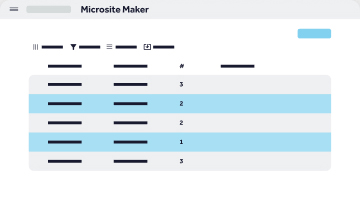
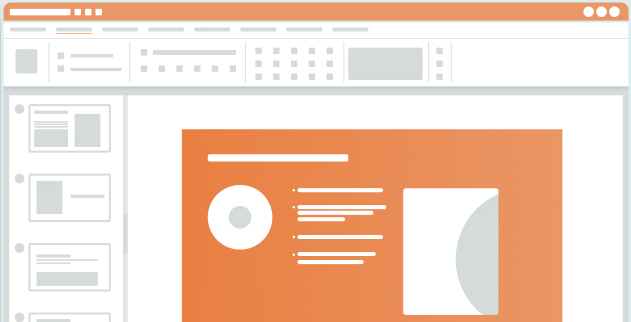
Ready to see what search plus creation looks like in practice? Talk to a Clatter expert and learn how teams are generating customized decks, proposals, and microsites in minutes instead of hours.